



HomeWho we serveTradesElectrical
Trade · Electrical · CSI Division 26Device counts and conduit runs that match the panel schedule.
Electrical takeoff is a count-and-length trade: devices by symbol type, conduit by size and linear foot, and panel and circuit data that has to reconcile against a schedule printed on a separate sheet from the plan the devices are drawn on.
 T-08 · Electrical
The drawing-reading problem: a symbol is not a circuit
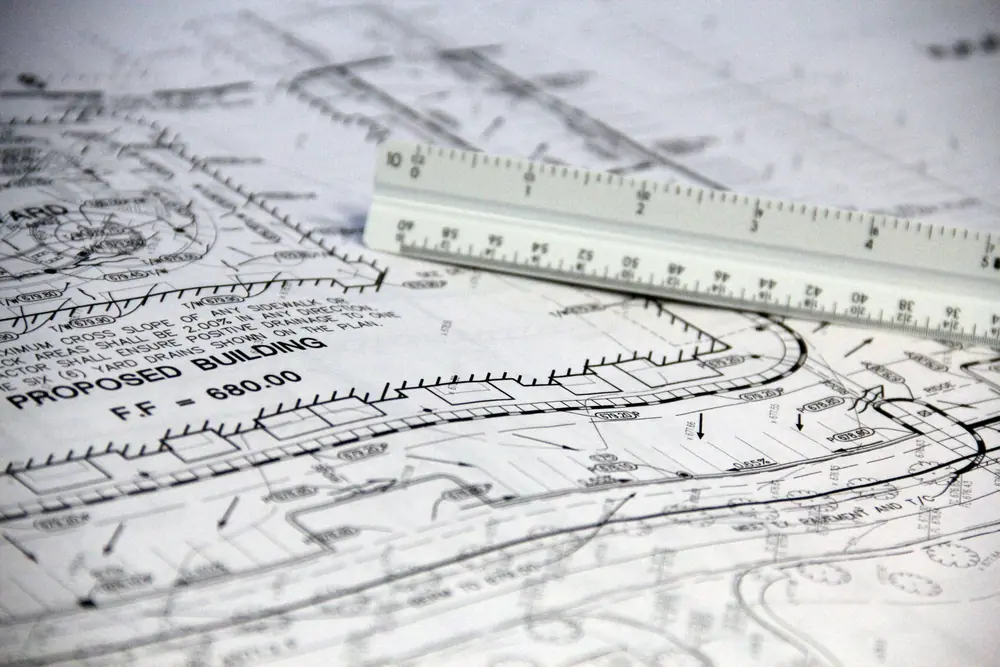
An electrical plan shows device symbols — receptacles, switches, fixtures, panels — as point objects, and conduit as line runs between them. Counting symbols gives a device count, but pricing and material ordering need the circuit each device belongs to, which is defined in the panel schedule, not drawn as a visible connection on the plan. Two identical-looking receptacle symbols can be on different circuits with different wire gauge and conduit size.
Home runs are drawn as a single line with a slash-and-number notation indicating conductor count, and a homerun to a panel that is off the visible sheet extent (common on multi-sheet floor plans) is easy to undercount because the conduit run appears to end at the sheet border rather than at the panel.
What gets measured, and in what unit
Six object classes cover a typical electrical package. Each keeps its own unit instead of being folded into a single blended quantity.
| Takeoff object | Unit | How PiloBuild resolves it |
|---|---|---|
| Devices | EA, by symbol type and circuit | Receptacles, switches, fixtures and data/comm outlets counted and grouped by the circuit they are on. |
| Conduit | LF, by size and type (EMT, rigid, PVC) | Routed path length including offsets and risers, parsed from line notation on the plan. |
| Wire & conductors | LF, by gauge and conductor count | Derived from conduit runs and the conductor-count notation on each homerun. |
| Panels & gear | EA, cross-checked to schedule | Panel schedule circuit counts reconciled against the plan device count per circuit. |
| Fixtures | EA, by fixture type/lighting schedule | Lighting fixture schedule tags matched to plan symbols for fixture-specific pricing. |
| Low-voltage & specialty | EA (devices), LF (cable tray/pathway) | Fire alarm, data and security device counts kept separate from power circuits. |
Classification, resolved before the quantity is produced
Device symbols are classified by type and resolved to their circuit designation where it is legible on the plan or schedule, so counts are grouped by circuit and panel rather than as one undifferentiated device total. Conduit runs are read as vector paths with their notation (conductor count, size) parsed from the line annotation, and linear footage is measured along the actual routed path — including offsets and risers — not a straight-line distance between endpoints.
Panel schedules are ingested as structured data and cross-referenced against the plan device count per circuit, surfacing a mismatch (a schedule showing 8 circuits feeding a panel that the plan only shows 6 branch runs for) before rough-in rather than during inspection.
What you get back on an electrical package
Quantities by class
Every electrical object above, grouped the way your estimating desk already groups it, with the unit that matches how it is bought.
A geometry audit trail
Each quantity links back to the sheet, the resolved callout or schedule row, and the scale a person confirmed.
A BOM cross-check
Design-intent drawings compared against a subcontractor shop-drawing takeoff on the same scope, with discrepancies listed before they reach the field.
3 questions, specific to electrical
What CSI division does Electrical takeoff fall under?
Primarily CSI Division 26 (Electrical). Related sections we classify against on a typical electrical package include: 26 05 00 Common Work Results for Electrical, 26 24 00 Switchboards and Panelboards, 26 27 00 Low-Voltage Distribution Equipment.
Does PiloBuild replace our estimator on this trade?
No. PiloBuild produces the measured quantities, grouped and classified the way this page describes, and a bid summary showing the arithmetic behind the cost build-up. Your estimator applies judgment, reviews the classification, and owns the number that goes on the bid. The scale confirmation and the review-and-approve gate exist specifically so a person checks the machine, not the other way around.
What happens when the drawing set is incomplete or the schedule is missing?
Where a callout cannot be resolved — a wall-type tag that does not match any schedule row, a size annotation with no nearby segment to attach to — the item is flagged rather than guessed. An unresolved item is reported to your team for a manual read, not silently dropped or estimated with a default.
Run a pilot on a electrical set.
Bring one drawing set and the estimate you already have. We measure it, you compare it line by line.